They Inherited A Firearm.
You Can Earn Their Trust.
Helping Dealers Guide Customers Through Firearm Inheritance
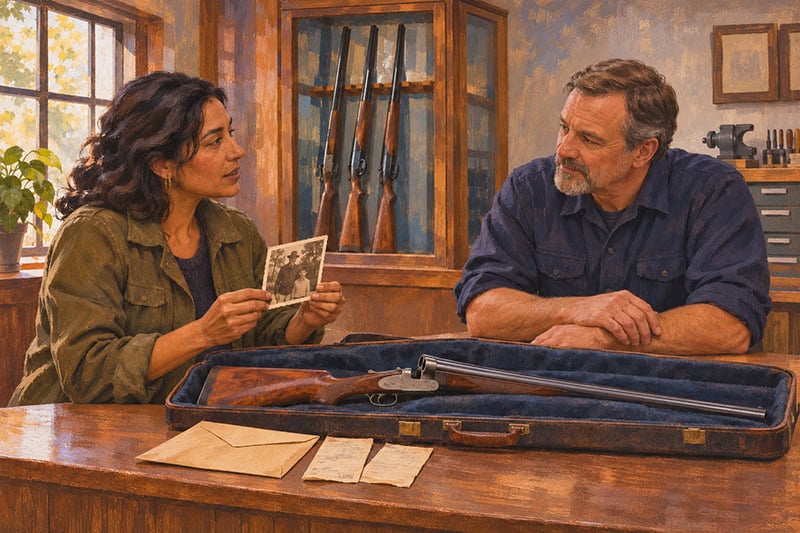
After a death in the family, someone may become a gun owner long before they feel comfortable walking into a gun store. They might know who carried that firearm on every hunting trip but have no idea whether it is loaded, what it is worth or whom to ask.
Your business can help with all three. But for someone unfamiliar with firearms, the hardest part may be making that first call.
Jarred McNeely, vice president of academics at Sonoran Desert Institute, sees education as the foundation of these relationships. His advice offers dealers and ranges a way to welcome customers who arrive with a family connection rather than a shopping list.
Make The First Call Easier
McNeely frequently hears questions about registration requirements and value. First, though, you may need to address whether the person can safely bring the firearm to you.
He has had people ask whether he or an employee could inspect inherited firearms where they were located, particularly when their loaded status was uncertain.
“I always try to support these requests since this is an opportunity to educate that new person about firearms,” he said in written responses.
Help people find that guidance before they head out the door. A website page titled “Inherited a Firearm?” can explain whom to call, which services you provide and any consultation fees. Ask people to contact you before handling or transporting an unfamiliar firearm so staff can discuss a safe next step.
Share that invitation through social posts and business listings, too. Someone searching for help with a relative’s firearm may never think to search for “gunsmithing.”
Before The Work Order, Hear The Story
Once someone contacts you, find out whether they hope to keep, display, use or sell the firearm. They may need help deciding. Someone sorting through a loved one’s belongings may also be sorting through a loss, so give that conversation room.
McNeely explains that the intended use shapes the evaluation. A display heirloom needs confirmation it is unloaded, preservation guidance and a value estimate. A firearm intended for sale may need a full safety and function inspection, with additional valuation work depending on its characteristics. If the customer plans to shoot an unfamiliar inherited firearm, recommend a qualified gunsmith’s inspection before use.
Someone asking what a family firearm is worth may still be deciding whether to part with it. Explain the valuation before raising purchase or consignment options.
Some questions require outside expertise. McNeely points to collector groups, manufacturers’ archives, museums and historical societies when readily available references don’t resolve a question.
A range without a gunsmith can build relationships with professionals who handle evaluations. Keep a referral list where staff can find it, and explain which services you handle, which require outside expertise and what each step costs.
Handle The History With Care
Understanding those options becomes especially important when a customer asks you to make an inherited firearm look new.
“Original condition is valuable on older firearms that have collector value,” McNeely said.
He has declined refinishing jobs that would have ruined a firearm’s value. Explain how proposed work could affect value, document the customer’s decision and discuss costs alongside sentimental importance. Sentimental value and market value can be very different. Help customers weigh the cost of the work against both, so they understand what they’re choosing before authorizing it.
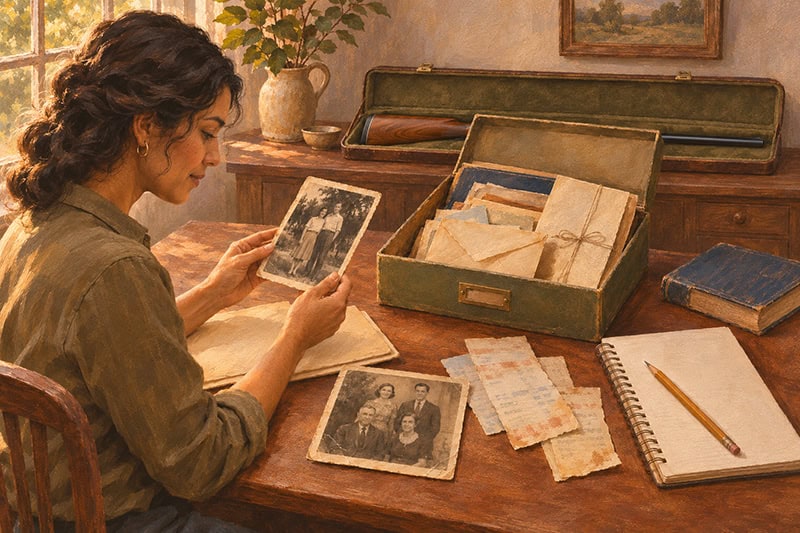
Encourage customers to retain original boxes, receipts, repair records and accompanying accessories. McNeely notes that these materials can support valuation; historically significant pieces may warrant additional documentation.
You can start that conversation with current customers, too. Offer an appointment to document a collection or a checklist of records to gather. Helping an owner organize that information now can give their family a clearer starting point later.
As families gather for the holidays, share a reminder to record the stories behind family firearms and keep them with supporting records. The relative who knows every detail may not be the person who eventually inherits it. That’s useful material for a seasonal email, social post or counter conversation, without requiring a single snowflake graphic.
Become The Name Families Pass Along
McNeely points to insurance appraisal services as another way to establish trust before an inheritance. Offer those services within your expertise or connect customers with a qualified appraiser; a preliminary value estimate isn’t a formal appraisal. He also recommends networking with attorneys, financial professionals, insurance agents, auctioneers and estate companies.
Give those contacts a concise description of your services, referral process and expertise so they can confidently explain how you help.
Then carry that same clarity into the customer’s visit.
“Seek to educate them to a level of their comfort,” McNeely said.
He also encourages professionals to acknowledge when an answer requires research or outside expertise. You don’t have to know every answer on the spot. Explain what needs checking and how you’ll help them find out.
They may need an inspection, an appraisal referral or help understanding their options for selling. If they keep it, discuss storage guidance or familiarization based on their plans. Explain what each service includes and costs.
They already have a reason to care about this firearm. Give them a reason to feel comfortable in your store.
Get The Dealer Advantage Every Week!
By submitting this form, you are consenting to receive marketing emails from: . You can revoke your consent to receive emails at any time by using the SafeUnsubscribe® link, found at the bottom of every email. Emails are serviced by Constant Contact