Early 2026: The Right Time to Fix What Actually Drives Growth
Once the holidays are over, the people who walk into a gun store or range aren’t there by accident. They’re not killing time. They’re not shopping for someone else. They’re there because they want to learn, improve or finally make use of what they already own.
That shift matters.
Early 2026 isn’t about pushing volume. It’s about shaping behavior. The stores and ranges that recognize this tend to come out of winter with stronger loyalty, steadier traffic and better conversations at the counter.
Use this season to fix friction
Most gun stores grow organically. Inventory increases, displays get crowded, signs get taped up and suddenly the space works but doesn’t feel good to be in.
This is the time of year to fix that.
Walk your store like a first-time customer. Is it obvious where to start? Can people see products clearly or are cases overstuffed? Is the lighting clean and even or harsh and distracting?
You don’t need to redesign everything. Simple changes go further than most owners expect: spacing products out, removing clutter, cleaning up signage and softening glare on glass. When a store feels organized and intentional, customers slow down. When they slow down, they ask questions. That’s when good sales happen.
Make it easy for new customers to say yes
A lot of growth right now comes from people who are interested but cautious. They want to do things correctly, not feel rushed or talked down to.
A clearly marked “Start Here” area solves more problems than any promotion. Storage basics, cleaning supplies, eye and ear protection, simple range bags and a short handout explaining what a first range visit looks like give people confidence quickly.
Confidence leads to action. Confusion leads to hesitation.
Let training do the heavy lifting
If you operate a range or partner closely with one, early 2026 is the best time to lean into structured training.
The goal isn’t more events. It’s predictable ones.
Weekly new-owner orientations. Monthly women’s fundamentals nights. Family safety hours. Short skill-building clinics focused on basics. These sessions turn occasional visitors into regulars because they give people a reason to come back on a schedule.
That matters more than almost anything else. Habitual range time leads to memberships, gear upgrades and referrals without having to “sell” any of it.
Gun stores without ranges can still win here by hosting in-store workshops or partnering with nearby facilities. When customers associate your store with learning, not pressure, trust follows.
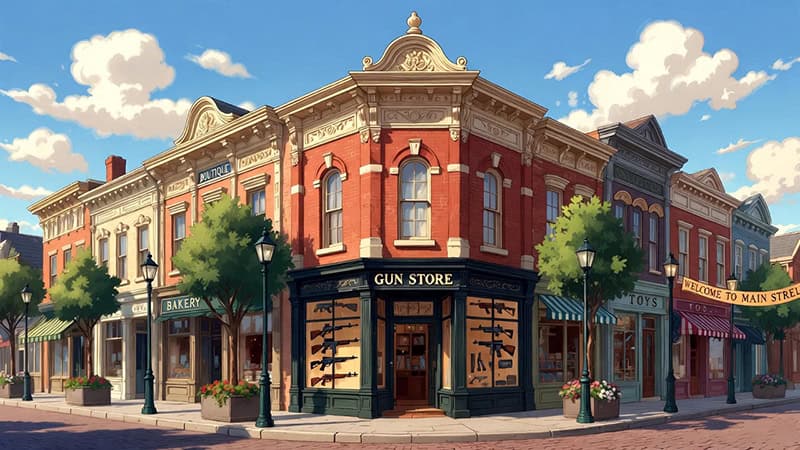
Think seriously about who feels comfortable here
You don’t have to change your identity to welcome more people. You just have to remove unnecessary barriers.
Tone matters. So does body language. So does how questions are handled. Customers don’t want to feel tested. They want to feel guided.
This is especially true for women, families and first-time buyers. These groups aren’t looking for a different kind of store. They’re looking for a store that treats them with respect and clarity. When they find it, they tend to stay loyal.
Treat SHOT Show as a filtering moment
Whether you plan to attend SHOT Show or not, stay up to date on product introductions.
Be thoughtful about what you decide to stock.
Instead of hyping new products, use this time to signal judgment. A simple “What we’re watching this year” list by category shows customers you’re paying attention. A clipboard or email sign-up for people who want a call when specific items arrive turns industry noise into personal service.
That’s credibility, not hype.
Use social to reflect reality, not sell
You don’t need social media to close sales. You need it to answer one question: What’s it like to walk into this place?
Short clips of staff setting up classes, a quick range tip, a look at gear being cleaned or set up and photos from leagues or women’s nights show activity, professionalism and community.
Keep the language informational and straightforward. Avoid making posts feel transactional. When people want details, invite them to come in or call. That approach stays practical and consistent with how this industry actually works.
Early 2026 is about momentum
This season isn’t loud. It doesn’t need to be.
When you fix friction, clarify the customer path and make training consistent, everything else gets easier. Customers return sooner. Conversations improve. Sales become steadier instead of reactive.
That’s not a flashy reset. It’s a smart one.