Inflation Woes Lingered in the American Heartland in 2025
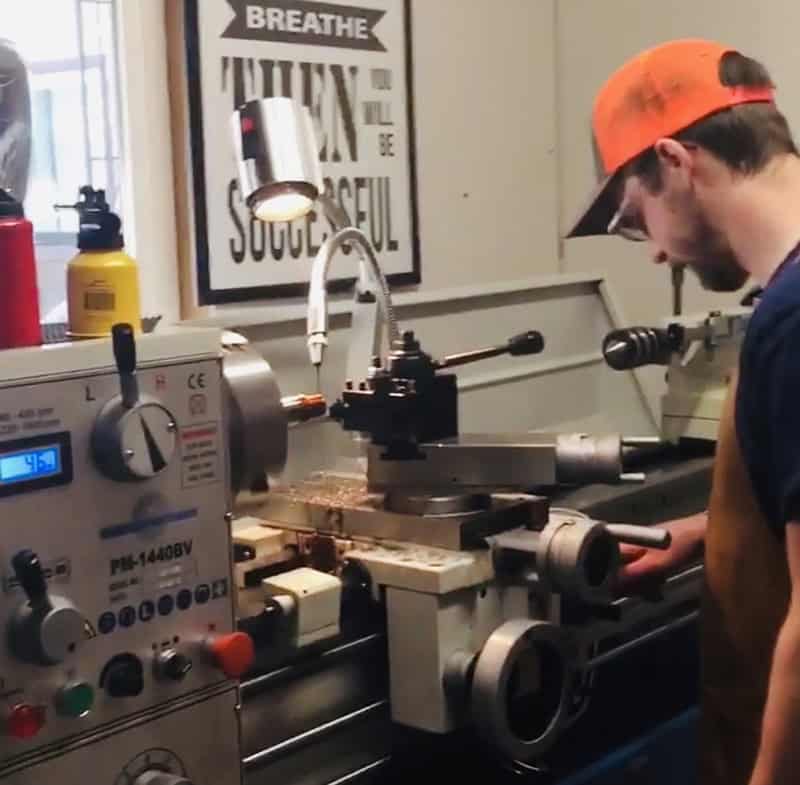
Justin Rowling, CEO of Montana Precision Rifles LLC in the shop.
Holiday spending has continued to outpace prior years, yet American retailers remain concerned about inflation. This has included the firearms industry, where seasonal trends have also influenced consumer spending.
In the nation’s heartland, inflation led to a decline in spending.
“In Southwest Iowa, we definitely felt the impact of inflation through the late spring and summer months,” explained Brice McCunn, owner of McCunn Specialty Firearms in Massena, Iowa. “We are located in the heart of farming country, and our business is directly affected by the farm economy. If the farmers are doing well, we, in turn, are doing well. When the farm economy started to slow, we saw that affect us directly in the store.”
McCunn told Shooting Industry that foot traffic at the store, located in southwest Iowa, declined sharply over the summer months, resulting in lower sales.
“I would say inflation played a large part in that as guests were saving more than normal,” McCunn added. “The winter months for 2025 have been much busier with increased foot traffic and just overall interest in the gun/safe market.”
More Cautious Consumers
It is impossible to predict future buying trends, a point acknowledged by Jake Stone, general manager at Founder Arms in Pillager, Minnesota. The newly opened firearms retailer has experienced inflationary pressures this year.
“The biggest surprise has been the absence of the usual election-year surge that normally boosts traffic and firearm sales,” Stone told Shooting Industry. “We built our launch around that expected uptick, but it just didn’t materialize — and based on conversations across the industry, that wasn’t unique to us.”
With President Donald Trump’s return to the White House, there may have been an expected “slump” with it. However, it has been coupled with a stubborn inflation that has yet to be fully tackled.
“Customers are still interested, but they’re more cautious. They’re taking longer to make decisions, focusing on essentials, and stretching their budgets much more than we anticipated,” explained Stone.
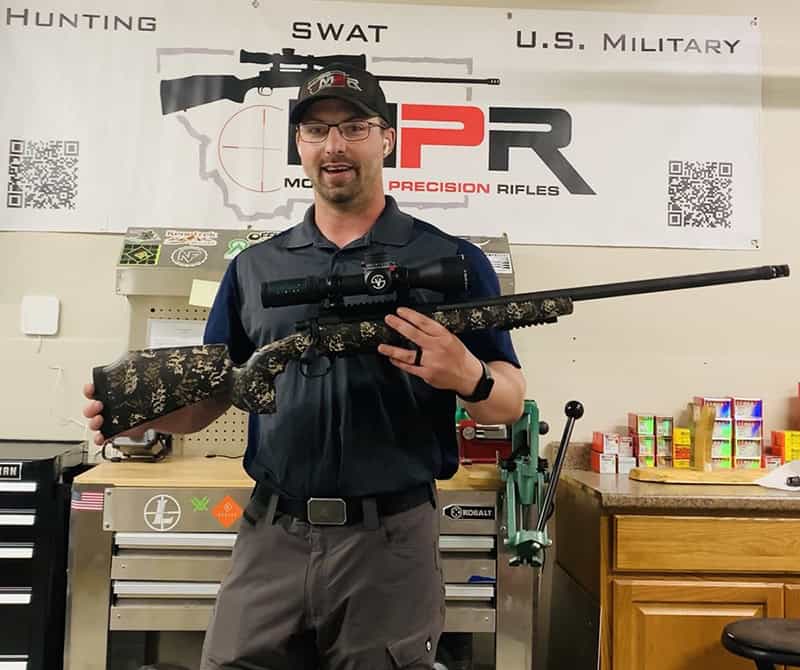
Rowling said sales on the high-end have been very good.
Pushing The High End
Across the retail sector, 2025 has seen another notable trend. Consumer spending continues to outpace inflation in no small part because wealthier Americans have been opening their wallets. According to Bloomberg, the 10% earners accounted for 49.2% of total U.S. consumer spending this year, the highest share since records began in 1989.
For firearms retailers, this has meant that higher-end products have continued to sell.
“Inflation hasn’t slowed our momentum this year,” said Justin Rowling, CEO of Montana Precision Rifles LLC. “If anything, it’s pushed customers toward proven, high-performance products they can rely on.”
Rowling told Shooting Industry that he expects a strong 2026, with continued global demand for premium rifle systems.
“MPR’s exposure worldwide continues to grow, and our reputation for best-in-class custom builds keeps driving business forward,” Rowling added.
Is a Happy New Year Coming?
Beyond the premium brands, firearms retailers may see more of the same, at least into early 2026. With the midterm elections approaching, the White House will be under significant pressure to reduce costs. Affordability across retail will be the campaign issue.
Consumers may adopt a wait-and-see approach in the meantime.
“Looking into early 2026, I’m not expecting a major shift overnight,” said Stone. The general manager at Founder Arms added that he expects to see “steady, deliberate buying,” with first-time gun owners doing extensive research before committing, and experienced shooters putting more of their money into ammunition, training, and maintaining what they already own instead of chasing new platforms.
“For younger shops like ours, the priority is staying efficient and pouring energy into customer service, education, and building trust in the community,” Stone continued.
At the same time, he acknowledged that social tensions are rising and that people are paying attention. That could lead to a repeat of what was seen in the summer of 2020. It may not have been good for the nation as a whole, but it certainly drove firearms sales.
“The political climate, protests, and general volatility are on everyone’s radar,” Stone suggested. “That kind of uncertainty tends to nudge defensive-minded buyers who’ve been on the fence. As we move further into the 2026 cycle, I expect some of that concern to show up in increased interest in personal-protection firearms, ammunition, and training — more about staying prepared in an unstable environment than confidence in the economy.”
For Brice McCunn in Iowa, the issue of inflation will persist, given its impact on farmers.
“2026 I forecast as being much like 2025,” McCunn told Shooting Industry. “I can see winter and early spring being busy, but quite the slowdown for the summer months.”