Selection: The Key To Profits

Image: IRStone / Adobe Stock
Is there one formula most likely to guarantee success in the shooting goods business?
After 40 years of observing the gun game from the viewpoint of retailer, wholesaler and manufacturer, I have concluded there is one surefire method that is superior to all the others. That method or formula can be stated very simply: Create an impression in the minds of consumers if they want or need a shooting item, you have it or can get it.
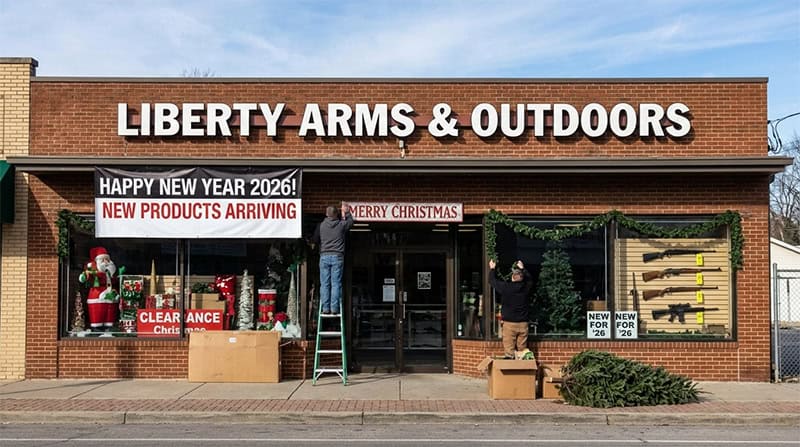
I have observed the operations of many thousands of sporting goods retailers over that 40-year period, and find while there are many differences in the character of their stores, the one thing they have in common is selection.
When economic conditions are booming, and shortages are not uncommon, shops with limited selection do very well, even thrive in many cases. But when the going gets rough, it’s the shop with selection that surges to the top.
Contrasting Fortunes
Just last week, I visited two shops in the same city about 1975 performance. Shop A ruefully admitted an almost 50% drop in sales. Shop B produced evidence to support a gain of almost that amount.
Theoretically, the two shops draw from the same market area. Both are adequately financed. Both have competent sales people. Both use the same sources of supply. The difference?
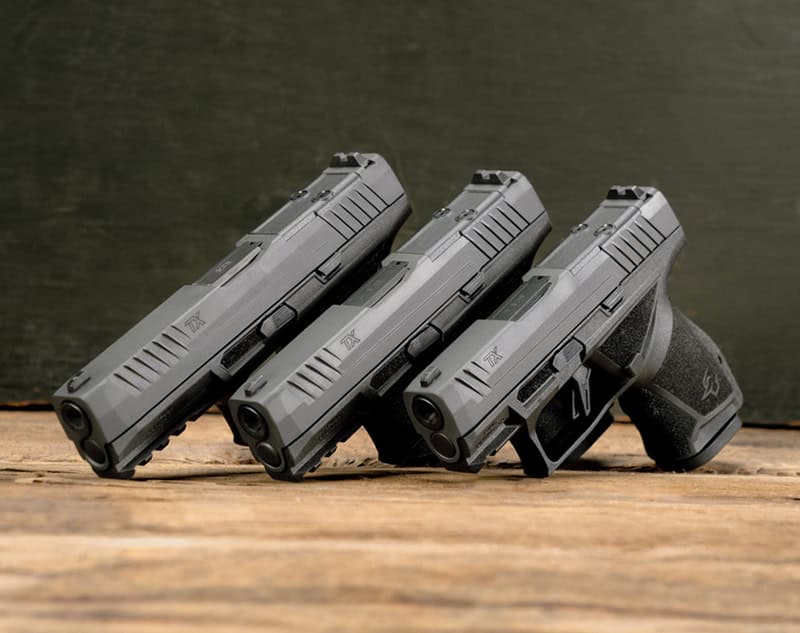
If there is a gun on the market, domestic or imported, shop B probably has one in stock, or knows where they might put their hands on one.
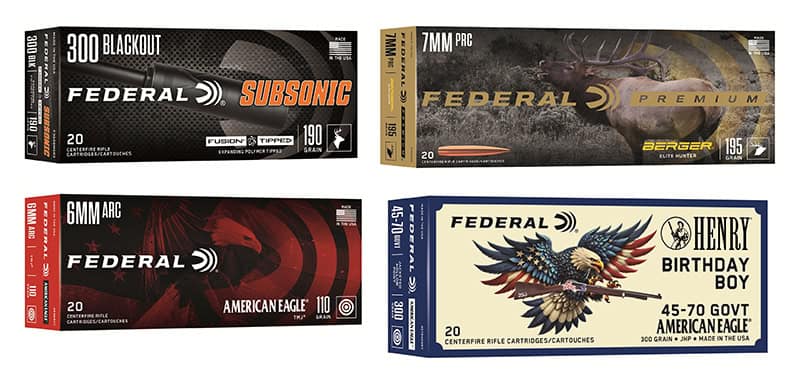
If a consumer is looking for ammo for his pet rifle, shop B has it, if it was ever made here or abroad. The other shop has the common fodder, like .30-06, .308, .270, .30-30 and .243, but not much beyond that.
If a consumer in that city needs a black powder accessory, a target gadget or just about anything in the reloading field, the one shop very likely has it in stock. The other shop carries some reloading, some black powder items and has some knowledge of target equipment plus a source of supply.
But, one shop dropped 50% in one year, and the other gained almost as much.
Price was not a factor. Neither shop is a price-cutter. Both use promotions in which case items are bought right to promote. Neither is in the business to give goods away. It takes no ability at all to give goods away.
One Absolute
There are a lot of variables in this business, but there is also one absolute — you must make a profit to stay in business. When I see a store embark on a program of price-cutting as a method of doing business, I always wonder what is going through the minds of the owners. It seems to me there is a fairly consistent timetable for the strictly price-cutting operation. The first year is big, some problems start to show up the second year and these firms rarely survive the third year.
You will notice I said “strictly price-cutting operation.” I make this distinction because I know and you know some firms are very competitive price-wise, and are still called price cutters.
When you look closer, you’ll find these firms have excellent selections and their price cutting is usually confined to a rather narrow range of items. On another tack, the selection method gaining success in the gun business is a far more effective method in a soft market.
Much of a boom market is supported by occasional hunters and shooters who get the fever and buy a gun or two. The long-time gun operation probably does 75% of its business with regular customers, the so-called “gun nut.” These customers come back again and again over the years, through good times and bad. Show them a new, different or better item, and they have to have it.
Better To Be Wrong With One …
There are far fewer financial pitfalls in becoming or being a selection-oriented shop. When selection is your forte, in most cases you need only have one of an item in stock. If that item fails to sell, you have only one to move.
When you buy in volume for price, you can end the year or season with horrendous carryover, which creates all kinds of problems. And, sad to relate, it is not easy to move goods at the wrong time of the year, no matter how low you price it.
There is another advantage to the selection method of operation. Since selection implies a wide range, there need not be large quantities of any one item in stock.
Thus, you can avoid getting caught with a large amount of something which changes in sales appeal because of price, features, competition or the vagaries of consumer demand.
As I implied earlier, it is better to be wrong when you have one of an item, rather than 50 or 100.
Editor’s Note: This story is a lightly edited reprint of Dick Miller’s popular Firearms Retailing column, originally published in the April 1976 issue of The Shooting Industry. Nearly 50 years later, would Miller’s take be as effective in today’s market? We invite you to read and share your thoughts with us. editor@shootingindustry.com.