Is Social Media Still Important for Retailers in 2026?
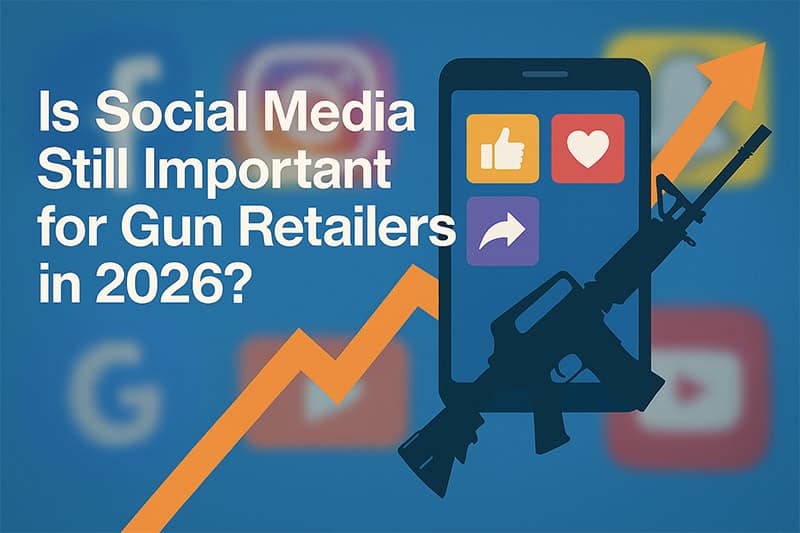
Numerous studies have highlighted the negative impact of social media on society, particularly on children who are still learning to navigate the world. Still, despite its faults, social media remains a valid marketing channel for retailers, including those in the firearms sector. However, what worked in 2015 and even in 2024 may not be as effective today. Social media continues to evolve, presenting new challenges for making sure gun shops get the most bang for the buck.
“Social media, for us, is extremely important,” said Ro Carter of Mister Guns, which has four locations in Texas.
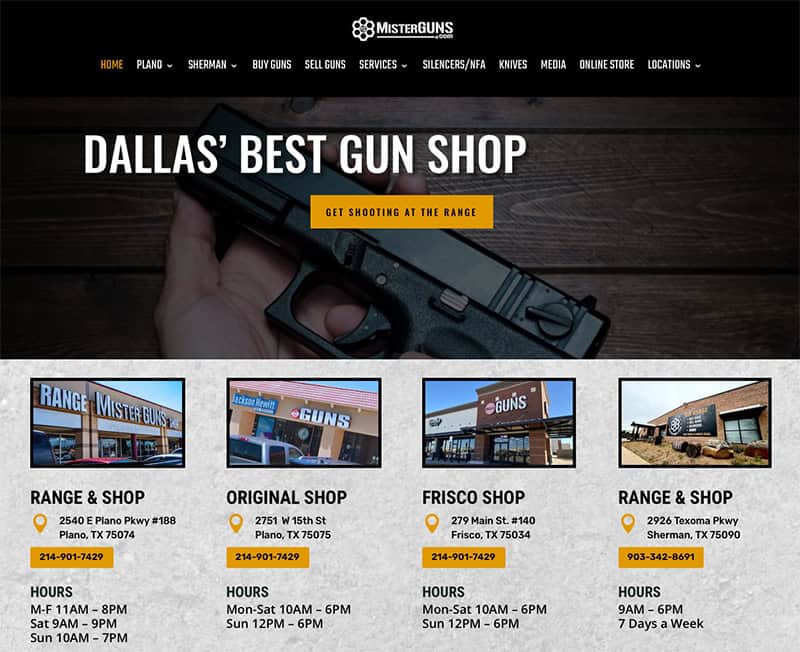
Mister Guns uses social media for more direct access to their particular community of people.
“YouTube is probably a little less important than it has been previously, but it is still relevant,” Carter told Shooting Industry. “General social media like Facebook and Instagram, I feel like, give us a little more direct access to our particular community of people. I think that’s the strength there – access to your own group of folks that are interested in you and your brand. It’s not necessarily the most important medium, but as part of a balanced marketing program, it is definitely critical to invest effort into social media.”
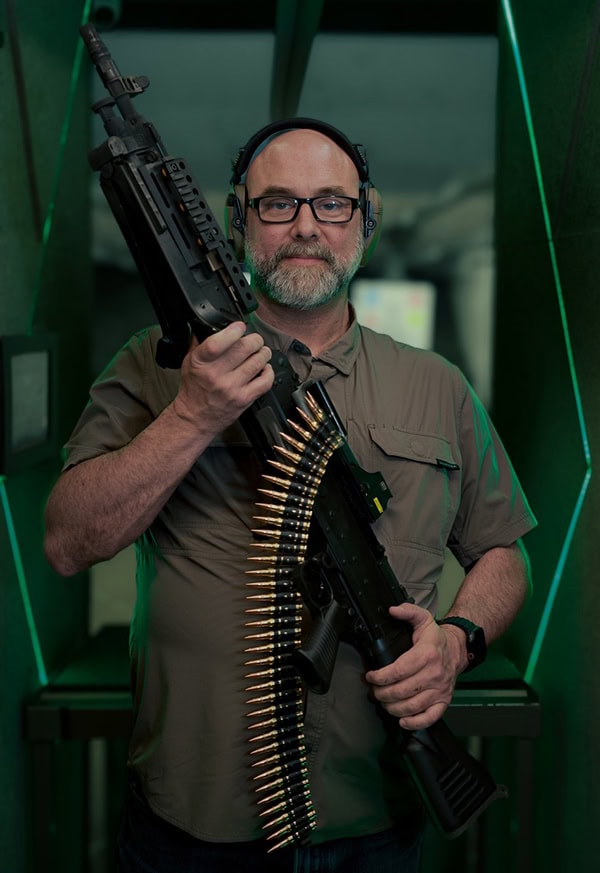
Ro Carter of Mister Guns.
In other words, social media has changed and will continue to change considerably. What has remained consistent are the challenges the firearms industry must address and accept.
“TikTok wasn’t something we could use, just way too much censorship,” explained Katie Ball, co-owner of Sharpshooting Indoor Range & Gun Shop in Spokane, Washington.
Ball, who handles the shop’s social media efforts, told Shooting Industry that Facebook had been Sharpshooting’s primary platform through the pandemic, and that required memorizing Facebook’s “community standards,” which meant watching what you could post and, more importantly, what you could not. That included no sharing of pricing or even mentions of sales.
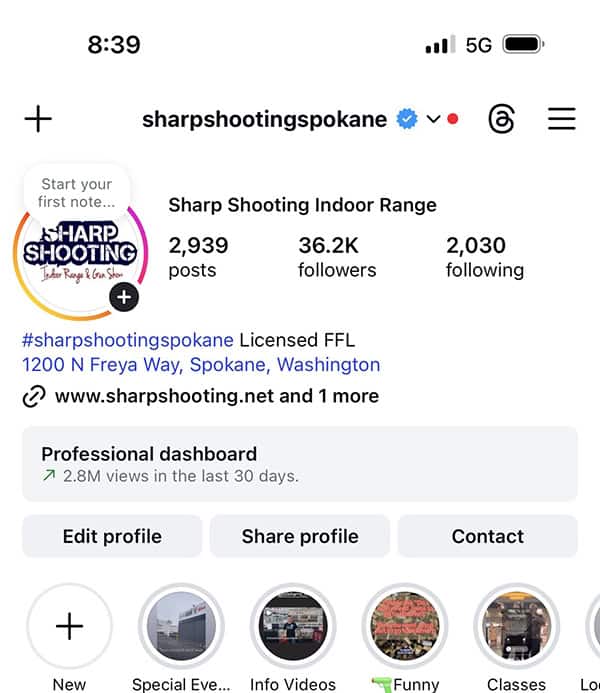
Facebook had been Sharpshooting Indoor Range & Gun Shop's
primary platform through the pandemic, and required
memorizing Facebook’s "community standards," to avoid censorship.
“People know I’m a gun shop, and they already know we are selling what’s pictured,” said Ball. “We started giving away information that helped people for free, instead of trying to sell a product.”
Due to the emphasis on letting a picture tell the story, Instagram, which Facebook parent Meta also owns, has become the shop’s go-to platform, where its followers have increased significantly in a short time.
Recently, Ball started creating infographics with the free-to-use online graphic design tool Canva, including several focused on the fundamentals of marksmanship.
“People love it,” said Ball, who added that social media can be treated like an online community. “I mix in some of the local events we have going on, some funny gun memes, and then just simple photo carousels of the shop. We did no paid advertising and have been averaging two million views per month since January. One other interesting thing I’ve found is that we are still reaching 95% men on social media, despite three years of efforts to reach more women.”
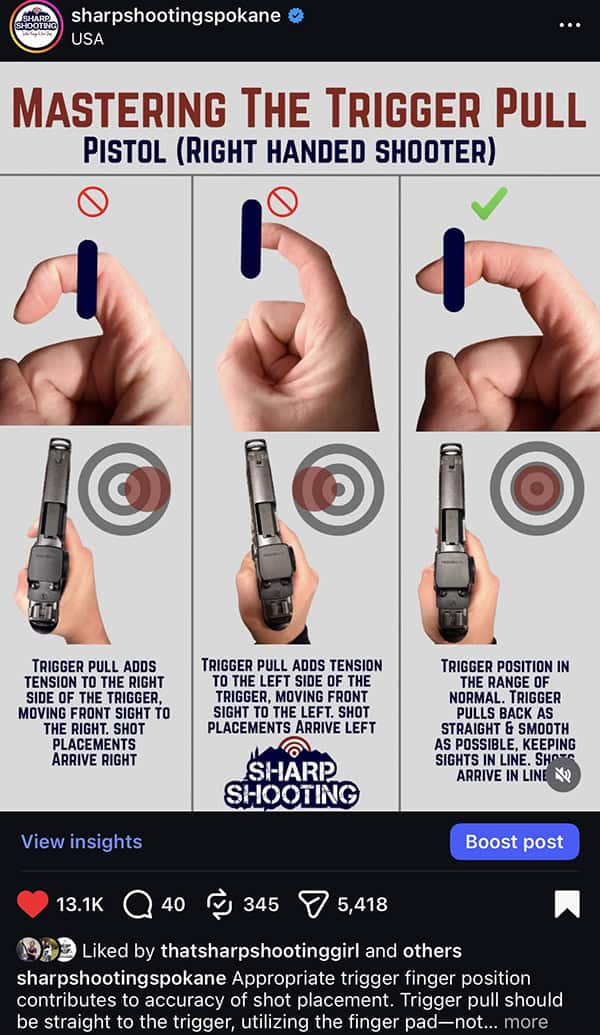
Infographics including several focused on the fundamentals of marksmanship help
Sharpshooting stay in front of potential customers.
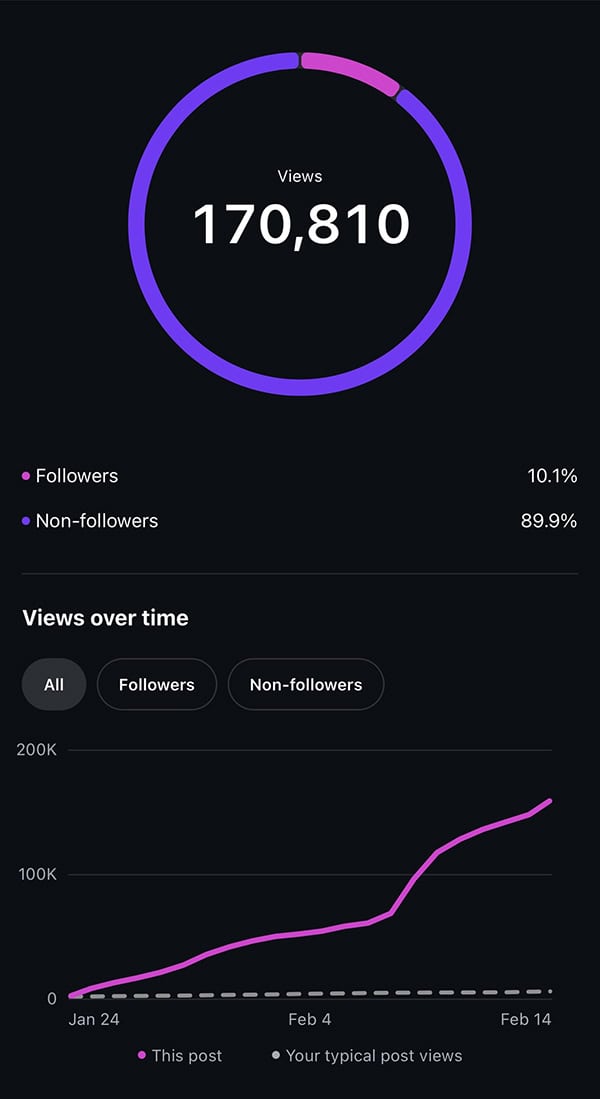
Paying attention to analytics helps set the proper course for social media effectiveness.
Know The Restrictions And Roll With It
Multiple retailers further confirmed that social media absolutely still matters for gun shops, even with many of the platform restrictions.
“While you may not be able to sell firearms or certain accessories directly, these platforms are still very effective for building awareness, highlighting your store, showcasing products, and promoting events or training opportunities,” said Alex Hague, founder and CEO of Evolve Range Solutions.
“We’ve seen a strong correlation between consistent social media presence and increased engagement in-store and online,” Hague continued. “Facebook is still important, particularly for local reach, events, and communicating with your existing customer base. That said, we’re seeing more growth and engagement on Instagram and LinkedIn, especially when it comes to visual content and B2B exposure.”

Alex Hague, founder and CEO of Evolve Range Solutions.
It is also increasingly important to maintain a presence on different platforms. TikTok, which has been in the news a lot in the past few years due to its ties to China, isn’t likely to go away, but neither is Facebook.
Ball said for those reasons, it is necessary to utilize as many social networks as possible to reach different audiences.
“Posts that excel on Instagram don’t perform well on Facebook, and vice versa,” warned Ball. “I’m going to attach some photos too, so you can see what the last 30 days look like on Instagram, and show you a post that did fairly well and the insights on it. It may help other dealers generate content more likely to engage new followers.”
State of Influence
One area where social media continues to evolve in ways that might not have been expected is in the role of the “influencer,” those individuals who carved out a niche promoting products and, at times, serving as brand ambassadors. Today, influencers don’t quite have the “influence” they once did, and large brands and small retailers alike may need to rethink how to use influencers to spread the word.
“The era of the gun influencer is waning, especially the ‘gun bunny’ style that was popular in the 2015-2020ish era,” suggested Mister Guns’s Carter.
He is hardly alone in noting the decline of the influencer.
Angeli Gianchandani, global brand strategist and adjunct instructor of integrated marketing and communications at New York University, told Shooting Industry that the skepticism around influencers is long overdue.
“There are just too many influencers now,” explained Gianchandani. “At this scale, most aren’t in it out of passion or expertise. They seek paid opportunities, and audiences know it. When monetization is the starting point, authenticity is already gone.”
Yet, for small businesses, especially in restricted categories like firearms retail, that may actually level the playing field.
“Trust tends to sit closer to home,” Gianchandani continued. “A knowledgeable shop owner, someone on the floor, or even a loyal customer often carries more credibility than a macro-influencer with a million followers and no real stake in the space.”
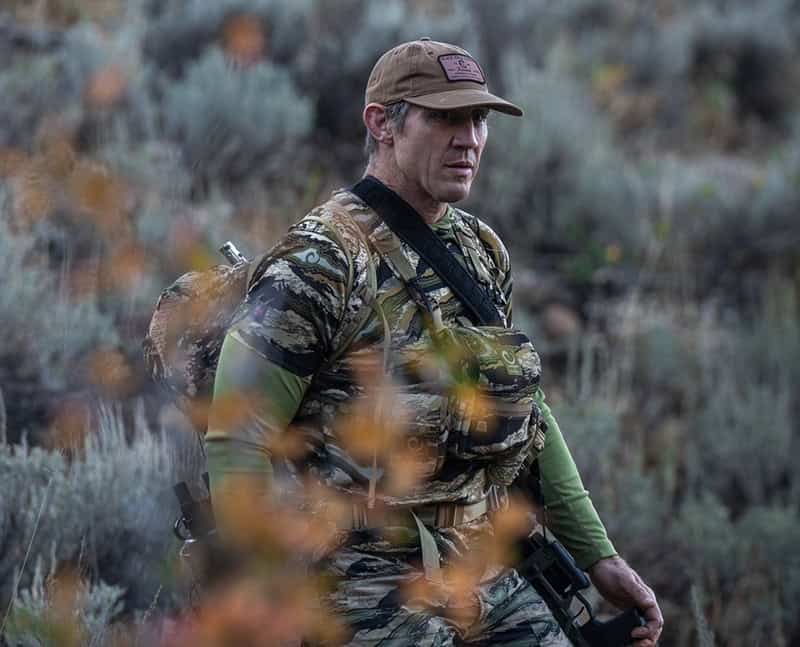
Tim Kennedy, brand evangelist.
Some who even previously were in the trenches as influencers have pulled back. That includes Tim Kennedy, who served in the U.S. Army while also competing in mixed martial arts, before becoming a brand evangelist. He told Shooting Industry that for the past six months, he’s pulled back from the influencer and ambassador world.
Kennedy cited the toxic nature of social media.
“A lot of influencers seek drama as it is a form of clickbait that gets more attention. Something negative all too often gets more traction than any positive development in the firearms industry,” Kennedy suggested. “I’ve seen a disappointment trend where many pro-American, pro-Second Amendment individuals have found it more important to bicker with each other. They recognize that works for the algorithm and then play into it.”
Kennedy said he needed to step away for those reasons.
“It is unhealthy for the industry,” he added, and said that for many of the same reasons, he won’t take money from smaller companies that are seeking to find a way to break through all the noise.
“I don’t want to sell snake oil,” said Kennedy. “Even when I like the products, which is another issue, as too many influencers will promote stuff they don’t believe in, I know it might not break through. They can’t get above the noise.”
Even with these issues, there may still be roles for influencers to play.
“Influencers can also play a role, particularly when they focus on education, product demonstrations, or training content rather than direct sales. When done well, that kind of content builds trust and can drive customers to seek out products through traditional retail channels,” said Hague. “Overall, social media is less about direct transactions in this space and more about brand awareness, education, and staying with your audience.”
Although brands, especially the larger ones, may continue to use paid ambassadors and influencers, it is less clear whether retailers need them. Instead, they may need credible voices.
“That can absolutely come from within the business, and in this environment, it probably should,” said Gianchandani. “A small number of people who genuinely understand the space and the audience will outperform broad reach every time.”
Get more Dealer Advantage every week!
By submitting this form, you are consenting to receive marketing emails from: . You can revoke your consent to receive emails at any time by using the SafeUnsubscribe® link, found at the bottom of every email. Emails are serviced by Constant Contact