A Return To “Normal”?
Dealers Outline Post-Pandemic Strategies
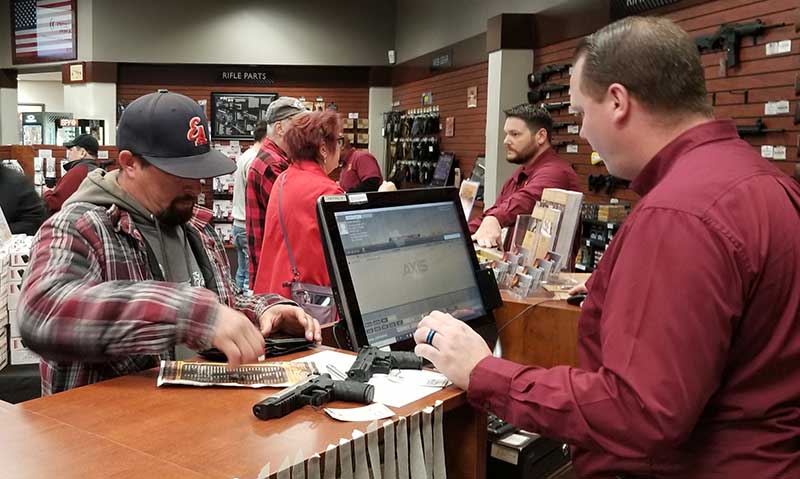
It's more than a year since maskless interactions at California-based Poway Weapons & Gear.
John Phillips, president of the facility, is planning a quiet transition when mask mandates are
lifted. "We'll take fliers off the door and then ease back into normal American," he shared.
One of the first signs “normal” is within reach came early May when the U.S. Centers for Disease Control and Prevention (CDC) announced it’s okay for vaccinated people to take off their masks in most instances. Now gun shops around the nation are making plans for life after COVID-19 restrictions are lifted.
Of course, various local and state rules make it impossible to apply a one-size-fits-all plan for the changing landscape. The CDC may consent to vaccinated customers and employees dropping those masks, but it doesn’t mean your state or county health department agrees.
Verifying Vaccination Status?
Such is the case in California, where the state is keeping its mask mandates in place at least through the middle of June, says John Phillips, president of Poway Weapons & Gear, north of San Diego. Nevertheless, he’s optimistic the restriction will soon be dropped.
But should gun stores be in the business of verifying vaccination status for employees and customers? Phillips doesn’t think so.
“If people aren’t wearing their masks, we’ll assume they’re vaccinated,” he said. “We’re going to let people manage themselves and monitor their own health.”
Halfway across the country, in Bridgeton, Mo., rules already have been relaxed. Masks are now considered optional for customers and employees, lends John Stephenson, general manager of Metro Shooting in the St. Louis suburbs.
The shop also has no plans to police anyone’s vaccination status. Stephenson is ready to put the whole mask thing behind and welcomes the end of the county’s aggressive compliance efforts.
“We had undercover people coming in from the county. I’d get calls asking why an employee wasn’t wearing a mask,” he recalled.
Still, he does plan to keep some smaller measures in place. Even before the onset of the pandemic, employees were diligent about wiping down counters to maintain the shop’s appearance. Now, they’re doing the same thing, but with sanitary sprays designed to fight coronavirus and other diseases.
“Why not just keep doing it?” he mused. “I sanitize my hands several times a day and not just because of COVID.”
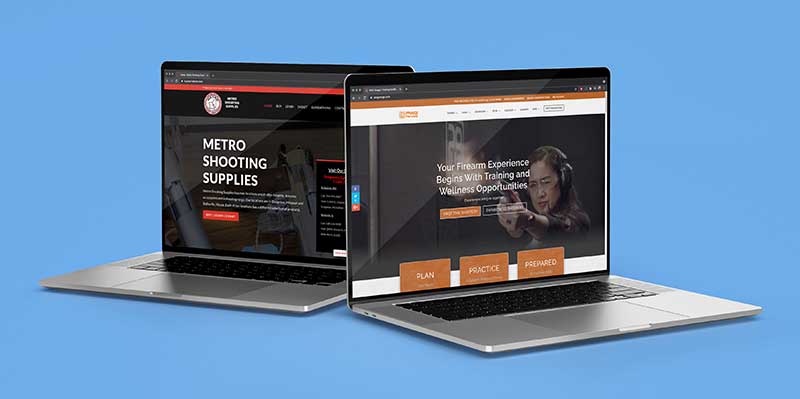
Both ranges are ready to highlight training programs to re-engage 2020's first-time buyers.
Marketing To New Buyers
Neither shop has any particular marketing strategy built around the relaxed rules.
In California, Phillips plans a quiet transition that will see the COVID update feature pulled from the store’s website. There won’t be any mask-burning events.
“We’ll take the fliers off the door and then ease back into normal America,” Phillips shared.
It doesn’t help customer traffic is depressed by across-the-board shortages of ammo and guns. Until this changes, there’s little reason to be optimistic relaxed COVID restrictions will have a significant impact on business.
However, there will be opportunities to resume some discontinued services. Metro Shooting, for example, stopped offering private training and concealed carry classes because of social distancing rules in St. Louis.
“Once they say social distancing is going away, we’ll start doing those again,” Stephenson reported.
The big issue for both shops is the ammo shortage.
“We’re noticing a lot of people we haven’t seen in a while. But traffic is falling because we don’t have any ammo to sell,” Phillips declared.
If customers can’t afford to shoot, it’s going to be difficult to get them onto the range or into training classes. It’s particularly frustrating at a time when the industry has been swamped by millions of first-time gun owners.
In this group of buyers, Phillips sees substantial opportunities for shops that offer training for novice shooters. He’s noticed something interesting about this segment when it comes to taking classes: They’re serious about learning more about their guns.
Of those first timers who have taken the store’s First Steps class, two out of three have gone on to the Second Steps class. This is roughly double what he saw with traditional customers. Phillips attributes it to the idea many of these newer buyers — often coming from anti-gun backgrounds — don’t have anyone in their own social networks who can teach them about guns.
“They’re very focused on that hands-on training,” Phillips asserted. “You could spend a year or more marketing to these people.”