The Muzzleloading Market Rundown
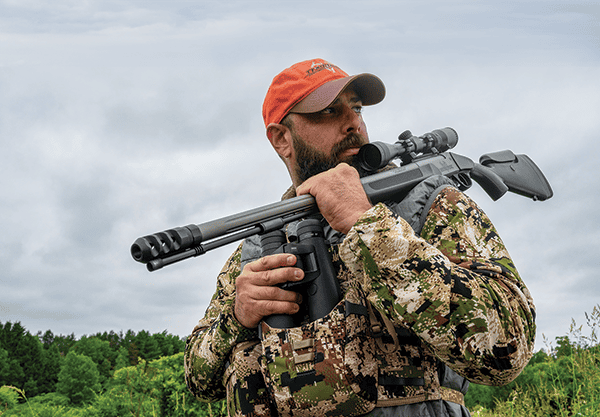
Image: Tradition Performance Firearms (Pictured: Pro Series NitroFire)
When you combine a sleek barrel, black powder and a steel ball with the flick of a flame, you get a deadly weapon historically used in war and to hunt. The muzzleloader has come a long way in design and effectiveness since Marin le Bourgeoys developed the first flintlock in 1610. Today’s muzzleloaders have advanced features, making them easier to use and clean, which is generating interest and boosting sales nationwide.
We spoke to Gregg Ritz, president and CEO of Thomson/Center Arms, and Seth Legere, divisional manager for shooting sports, fishing and archery at the Kittery Trading Post (KTP) in Kittery, Maine, to learn about the current muzzleloading market and how to increase sales by understanding muzzleloading options and customer demographics.
Top Brands, Products & Innovations
“The sport of muzzleloading is getting reborn,” Ritz said. “Because of new technologies and advancements driven by gun companies but supported by optics, bullet, powder and accessory companies, the industry has multiple manufacturers rallying behind a segment in a sport, which ultimately helps sell more product.”
In other words, muzzleloaders are a revolutionized weapon with advanced accessories — and people are noticing.
Both Ritz and Legere credit new technologies for growing interest and future sales in the muzzleloading market. Top innovations include:
• The FireStick, a waterproof, self-contained and pre-measured powder charge that makes muzzleloaders easier and safer to load and unload.
• New powders like Blackhorn 209 by Hodgdon Powder, a propellent with a nitrocellulose base that burns much cleaner than traditional black powders.
• More aerodynamic bullets like the Hornady Bore Driver ELD-X, which allow for longer bullet flight trajectories and more consistent group sizes at longer ranges.
• Better optics, including scopes by Leupold, Vortex or Swarovski Optik, with custom dial settings tailored to a user’s ballistic performance for improved accuracy.
Ritz said shooting beyond 100 yards before the 2000s was unheard of. Now, the combination of these new components gives muzzleloading hunters a platform to shoot at extended ranges with better accuracy, meaning they can legitimately harvest an animal at 500 yards with the right setup and dedicated practice.
“[The technology] is bringing new people into the fold to experience the changes,” he said.
Legere agrees. “Many of these innovations make muzzleloading a lot less confusing for customers,” he said. “The market is much different than five years ago. The guns are better quality, they have better safety features built in and they’re so much easier to load and clean.”
Like many other outdoor recreational activities, muzzleloader use increased during the pandemic. Legere said sales have stayed consistent over the past few years and he expects similar trends in future years.
To keep the momentum and capitalize on the release of these new technologies, retailers and manufacturers must educate and inform new and existing customers on muzzleloading capabilities while boosting their sales strategies to generate more sales.
Appealing to Customers
Fortunately, the new technologies are bringing much-needed attention to muzzleloaders. Established customers are buzzing about what’s new. Meanwhile, there’s increased interest among newcomers, who were previously intimidated by the muzzleloader’s complexity or turned off by its limited capabilities.
In general, people use muzzleloaders because:
1. They like the challenge, uniqueness or historical element of single-shot guns.
2. They like to experiment or tinker with muzzleloader setups to create a personalized load that suits their needs.
3. Special muzzleloader seasons give them more hunting opportunities.
4. Compared to other weapons, fewer people use muzzleloaders, so there’s less competition and often bigger, more abundant game animals available during muzzleloader-only seasons.
While anyone can use a muzzleloader, the audience with the most buying potential is anyone under 45 years old, but more specifically those in the 18 to 30 range. Ritz further pinpoints young bowhunters, who love a good challenge, as top candidates.
Muzzleloader sales boomed in the 1990s and slowed in the early 2000s when crossbows became popular. As such, the younger generation likely hasn’t been introduced to muzzleloaders, and with more user-friendly models and features, now’s the time to make that introduction.
Retailers should explain the muzzleloading benefits outlined above and recommend a model that meets the customer’s goals and budget. Starting someone with a low to mid-range price option gives them room to grow. Retailers must provide education and support and be available for questions and assistance as customers begin their muzzleloading journey.
To further appeal to the younger generation, KTP continually donates to shooting clubs or organizations with youth programs. Their sponsorship and involvement with like-minded groups help bring awareness and familiarity to their shop, creating a segue for new customers.
Additionally, shops must not neglect established customers, who likely range from 45 to 65 years old and are either loyal to traditional muzzleloaders or love to buy new gear, tinker with different loads and personalize their setup. Either way, nurturing relationships with existing users may lead to future sales, especially if they involve their kids and grandkids.
The Future Of Muzzleloading
Legere said the top selling muzzleloading brands at KTP are Traditions, CVA and Woodman Arms, a local brand. He also said there’s a pent-up demand for Thomson/Center Arms products since the brand regained independence in April 2024 and is reinvigorating the muzzleloading market.
Ritz said T/C Arms is innovating many products and will release a FireStick model, Triumph, in the near future. He believes 50% of all muzzleloading firearms sales will have firestick ignition and hopes to acquaint people of all ages with this traditional style of hunting.
To succeed in the muzzleloading market, firearms dealers must focus on new customers and the things that make muzzleloaders special.
“Muzzleloading will never be a 1,000-yard sport or a multi-shot sport,” Ritz said. “They’ll always have limitations but it’s what makes them a unique hybrid sport. They have the technical aspect, challenge and sportsmanship of archery on a firearm platform. It’s a great crossover sport with lots of potential.”
BONUS: Muzzleloading Sales Strategies
Use the tips below to appeal to all users and boost sales at your shop.
Make Muzzleloaders An Option: Muzzleloaders are the recurve bows of the firearm industry. They’re often overshadowed by their advanced counterparts, but when used correctly, they’re just as deadly and fun to use. Ensure customers know they’re an option. Stock them, market them and show them to newcomers, reminding them of modern, user-friendly models. Often, a lack of interest is related to a lack of awareness or understanding.
Educate And Diversify Your Sales Team: Don’t send your employees to the sales floor ill-equipped. It’s imperative they receive proper muzzleloader education and shooting experience so they can confidently instruct and direct customers. Your sales are contingent upon their ability to sell. Also, diversify your sales team to make them more approachable. Legere shared the gun floor staff at KTP has men and women — ranging in age from their early 20s to nearing retirement — to help customers connect and feel comfortable while shopping.
Don’t Neglect Accessories: T/C Arms President Gregg Ritz said retailers must carry loading and cleaning supplies in addition to projectiles and powers to support a well-rounded system.
“The gun is a big sale, but the accessories are consumables, and they have good margins,” he stated. “Make sure you’re authentic in the accessory space or you’re leaving money on the table.”
While the FireStick technology eliminates the need for some accessories, like powder measuring devices, Seth Legere, divisional manager at Kittery Trading Post, said there will always be purists. He encourages retailers to stock accordingly.
“While traditional black powder is harder to get with more stringent carrying requirements, there will always be a desire and we must be able to cater to those customers,” he emphasized.
Merchandising Matters: Where and how you display your products affects buying behaviors. Put muzzleloaders center stage at the gun counter and use endcaps to highlight muzzleloading accessories so they get proper attention. Using signs or stickers that read “best seller,” “customer favorite” or “ideal for (model)” helps customers buy with confidence. Bundling products in packages for specific models enables customers to easily buy what they need.
Host Classes: Many people believe muzzleloaders are difficult to use, hard to clean and complicated to operate. Retailers must recognize and remove those participation barriers to make owning and shooting a muzzleloader more inviting. Hold a muzzleloading class to teach basic operations or have a field day to give customers a chance to shoot different models. Classes give customers face to face instruction with hands-on muzzleloading experience. Remember to have proper insurance, safety measures and paperwork in place.